Blackout curtains are often chosen by color, but the product's construction and the way it covers the window deserve closer attention. A dark panel can still leave light around its edges, while a lighter panel may have a lining designed for the stated function. Begin with the room and the times when you want less light. Then compare the actual product claim, panel coverage, rail arrangement, and care instructions instead of expecting a fabric color to settle the decision.
Read the precise light-control claim
Check whether the maker describes the curtain as blackout, room darkening, or light filtering, and look for an explanation of that claim. A percentage without conditions may be difficult to interpret, so read the supporting information if it matters to you. The claim can relate to the fabric rather than the complete installed window. Do not extend it into promises about sleep, temperature, or sound that the product does not document. Choose the stated function that serves your actual need.
Inspect the coverage around the glass
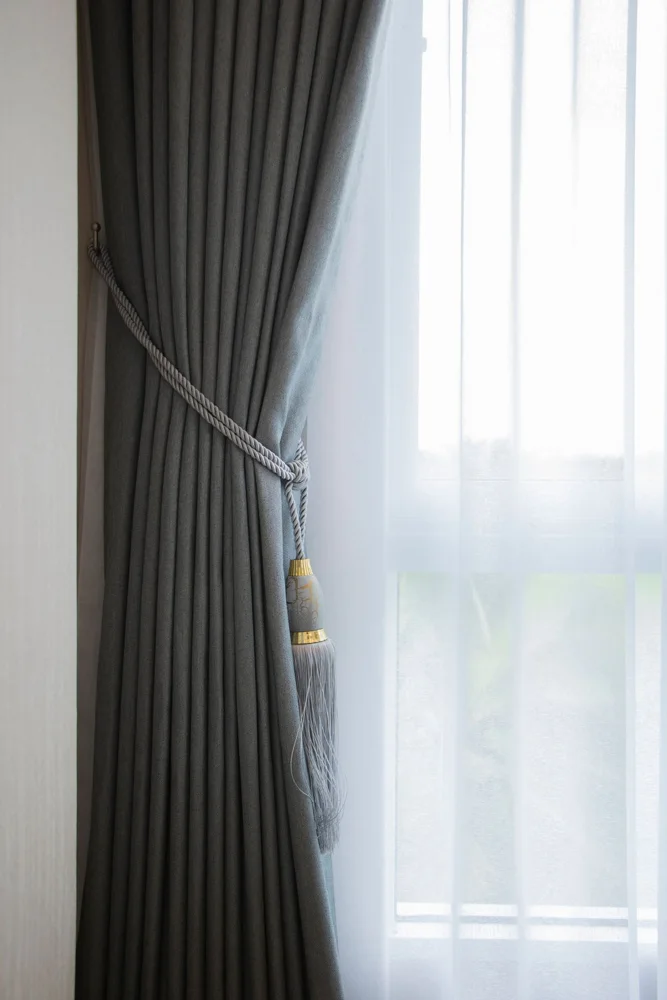
Measure the window and the hanging system, then consider the top, sides, and meeting point between panels. Light can remain visible where the arrangement leaves gaps, even when the fabric suits its stated role. Follow the maker's installation and overlap guidance rather than inventing a universal panel allowance. A track and a rod position fabric differently. If the curtain must avoid a radiator or another fixture, resolve that constraint before assuming a longer or wider panel will solve every coverage problem.
Check weight and movement
Lined or densely constructed curtains can form a larger stack when open. Compare the weight and heading with the rail's intended use and support requirements. Make sure the panels can move without catching furniture or blocking the window handle. A heavy arrangement may be inconvenient if opened and closed several times each day. If you plan another layer, include its space and hardware in the comparison. The useful result is a window you can operate comfortably, not merely a fabric sample that blocks light.
Consider the lining's care instructions
Read the care label for the complete panel, including any coating or lining. Washing and ironing permissions may differ from those of an unlined decorative curtain. Check the recommended drying method and whether your laundry equipment can handle the size. If alterations are needed, confirm the permitted approach before cutting or applying heat. A product with clear care instructions is easier to maintain than one whose functional backing is unexplained. Keep the specification so that a later replacement can be compared accurately.
THE USEFUL TAKEAWAY
Choose blackout curtains by documented function and the complete hanging arrangement. Color alone cannot establish the result. Compare coverage, panel movement, and care requirements, then follow the product's installation guidance. A well-planned fit is more useful than buying heavier fabric without addressing the spaces around the window.
Further information
Manufacturer and official references for the details discussed. Check instructions for the exact product you are considering.