A Bluetooth speaker for a small room should be easy to position, connect and use at the volume you normally choose. A larger enclosure or a higher output claim does not automatically suit a bedside table or crowded shelf. Begin with the room, the source device and whether the speaker stays in one place or moves between rooms. Then compare power, controls and any app requirements. A modest speaker with a clear connection routine can offer better value than a larger system bought for outdoor capability you rarely need.
Choose the placement before size
Measure the shelf or table, including space around the speaker required by its instructions. Check the orientation and the location of controls and charging sockets. A model that sits neatly when unplugged may need more clearance with its cable attached. Consider whether it will be moved for cleaning or carried elsewhere. If the room is shared, think about where sound is directed and how easily volume can be adjusted without finding a phone or opening an app.
Verify everyday connections
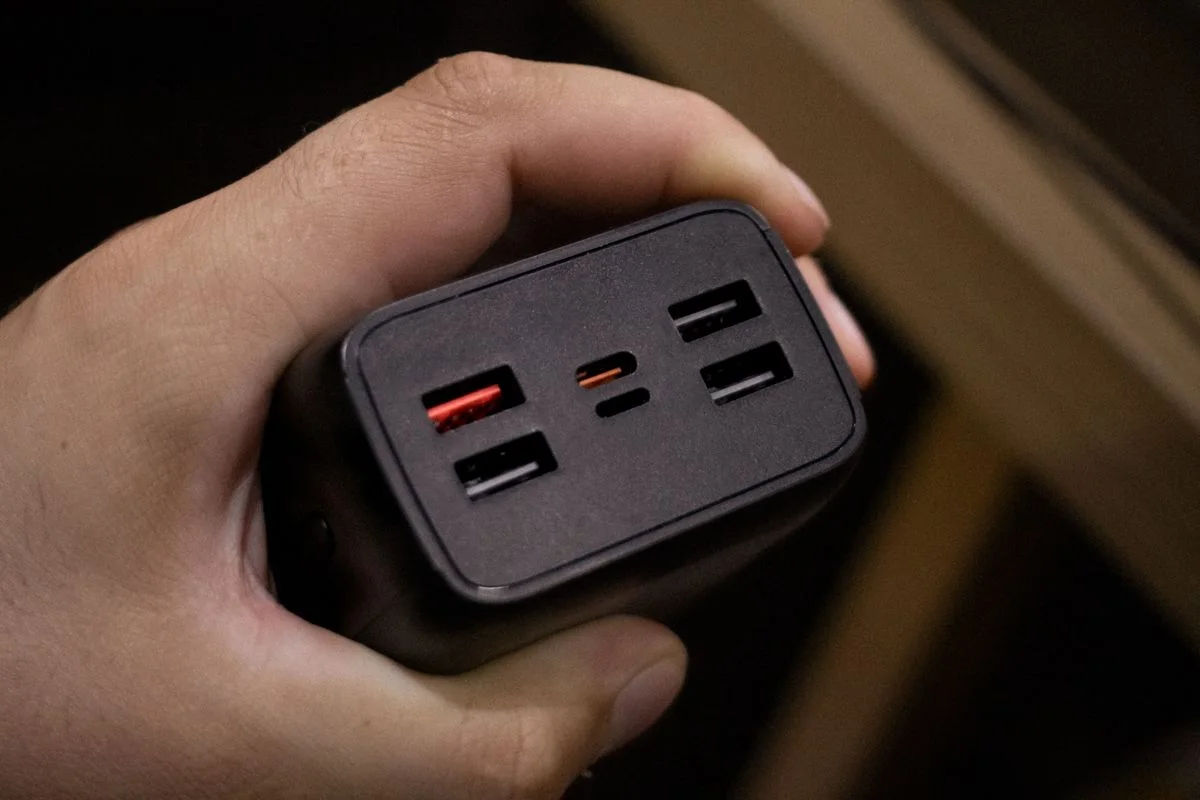
Check Bluetooth support with the devices you own and read the pairing process. If an audio cable input, speakerphone function or computer connection matters, verify that the exact model provides it. Do not infer those features from a USB socket that may be intended only for charging or service. Review app and account requirements for optional controls. A simple device with accessible buttons may be easier for several household members to share than one that depends on one person's configured phone.
Read pairing extras carefully
Some speakers can link with other units, but the supported models and modes vary. Sony's product guidance, for example, distinguishes a stereo pair of matching units from links among compatible speakers. Treat that as a reason to verify the exact combination, not a promise about every Bluetooth speaker. If you may buy a second unit later, save the compatibility information and consider that future availability can change. One speaker that suits the room may be enough without planning an unnecessary expansion.
Compare power and ownership needs
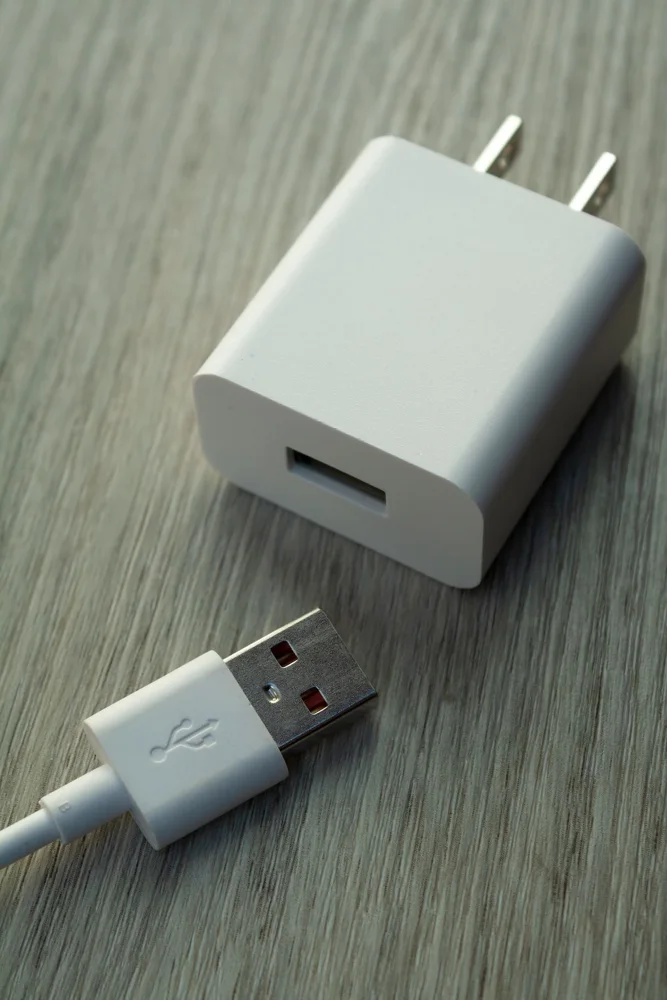
A battery helps when the speaker moves, while a fixed location needs a convenient charging or power arrangement. Read the maker's guidance for use while connected and storage between sessions. Check the stated battery-life conditions rather than assuming the maximum applies at every volume. Include any required power adapter and cable in the cost. Follow cleaning and operating instructions, especially around kitchens or bathrooms; a water-resistance claim has specific conditions and should not be treated as permission for every wet placement.
THE USEFUL TAKEAWAY
For a small room, choose a speaker that fits its location and connects simply to the devices you use. Verify optional linking, calling and cable functions individually. Practical controls and a convenient power routine can matter more than headline output or plans for a multi-speaker system you may never need.
Further information
Manufacturer and official references for the details discussed. Check instructions for the exact product you are considering.