A colander has a short working life during each meal but can occupy a cupboard all week. Its usefulness comes from draining the foods you make without being awkward to hold, wash, or store. A deep bowl, a broad basket, and a collapsible model solve different space problems. Before choosing one, think about the amount of pasta or produce you drain, the size of your sink, and whether you normally hold the colander or set it down.
Look at the holes and the food
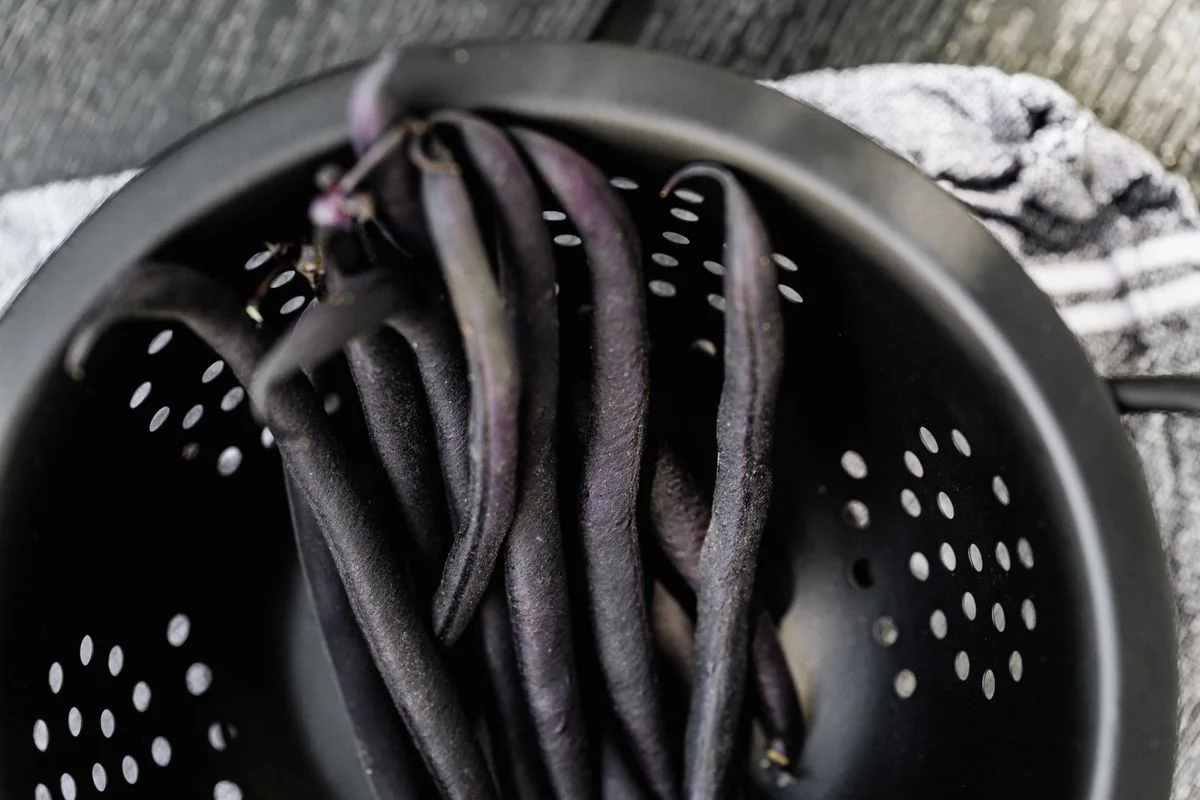
Large openings can be convenient for washing substantial vegetables, while small ingredients may need a finer strainer. Compare the hole pattern with foods you actually prepare rather than the word colander alone. A large outer diameter does not guarantee generous capacity if the sides are shallow. Conversely, a deep basket may make it harder to spread produce out. If rice or other small grains are a regular task, consider whether a separate mesh sieve serves that job more precisely.
Check where it will stand
A freestanding colander needs a base that fits the sink and keeps its draining openings usable. Measure the sink floor, including the area around its fittings. An over-sink design requires the right span and a reliable fit according to the manufacturer's instructions. Extendable arms can add reach but also introduce parts to clean and store. Do not assume a product shown across a large sink will suit a smaller basin with rounded corners or a dividing wall.
Inspect handles before adding hot food
Handles should give enough room for the grip you use, including suitable gloves when the task calls for them. Compare the full width across handles with the cupboard and sink opening. If you normally transfer ingredients from a heavy pot, plan the sequence so that you are not trying to support both awkwardly. A lightweight colander may be easier to move, while a substantial one may feel steadier. Judge those differences in the context of your normal draining method.
Evaluate compact storage honestly
Collapsible designs can reduce stored height, but inspect the folds and the instructions for the intended temperatures and washing method. A nesting metal colander may fit inside a bowl you already own without adding moving sections. Check whether either option dries completely in your usual setup and whether rims trap water. The most compact listing is not necessarily the easiest item to retrieve. Choose a storage position that lets you take it out without dismantling a stack of cookware.
THE USEFUL TAKEAWAY
Choose a colander for the food, sink, and draining motion you use most often. Fine grains may deserve a sieve, while larger portions need accessible handles and a suitable base. A compact design adds value when it also remains easy to clean, dry, and retrieve.
Further information
Manufacturer and official references for the details discussed. Check instructions for the exact product you are considering.