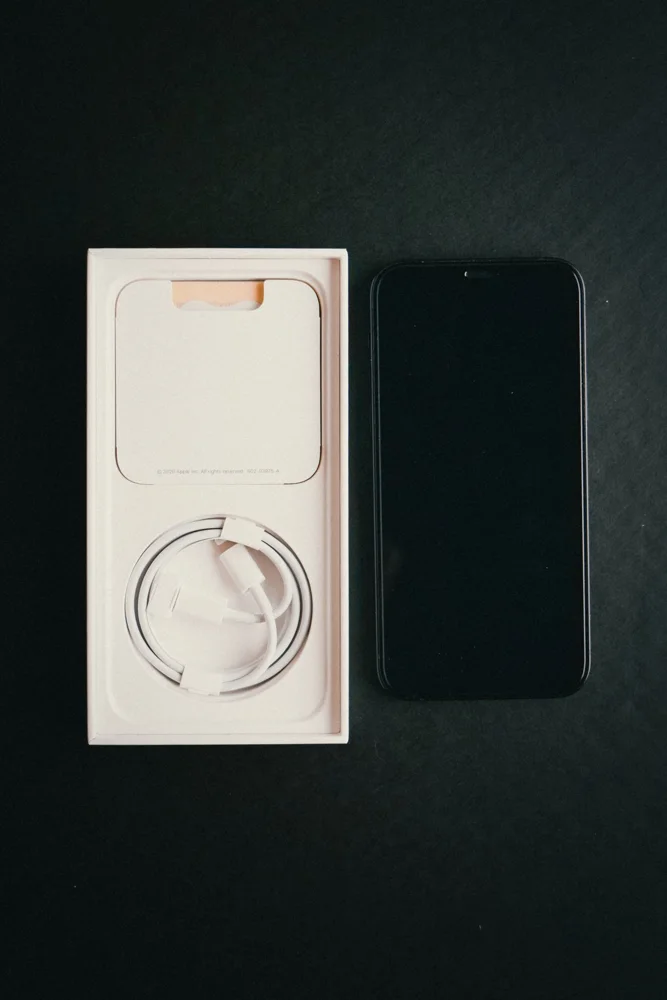
An open-box label usually tells you that the packaging history differs from a sealed retail item. It does not provide a complete inventory or condition report. A missing remote, mounting bracket, charging cable, or proprietary tray can matter more than a scuffed box. Compare the listing with the manufacturer's original contents list and the way you intend to use the product. The useful saving is what remains after obtaining necessary parts and accepting the specific condition being offered.
Create a contents list from the manual
Find the manufacturer's setup guide for the exact model and note every item required for your intended use. Separate essential components from optional extras. A monitor stand may be unnecessary if you already have a compatible arm, while a power supply is not interchangeable merely because its plug fits. Ask the seller which items are present and whether replacements are original or otherwise specified. Keep those answers with the listing so the delivered contents can be checked against something more concrete than the phrase complete set.
Price missing pieces before calculating value
Search by the actual replacement part number, including any regional variation. Check delivered cost, stock, and whether the part is sold separately at all. An inexpensive generic cable may be sufficient for one device, while a proprietary controller can make another impractical. Include mounting screws and small adapters if they are required. Avoid assuming you can find a missing piece later simply because the product itself is common. A readily available complete alternative provides a useful comparison for the total restored cost.
Ask about the actual item
Look for photographs showing the offered unit rather than only promotional images. The FTC's marketplace guidance recommends examining seller descriptions and actual-item photographs. Inspect visible connectors, corners, display surfaces, and any point likely to be handled during setup. Clarify whether marks are cosmetic or whether a function is affected. If the listing groups several open-box grades together, confirm the chosen grade and its description. A single star rating for the product range does not describe the condition of this particular unit.
Check support and inspect on arrival
Read the applicable return and warranty terms for open-box goods; do not assume they match the seller's sealed products. Check who handles a problem and whether packaging or accessories must be retained. After delivery, photograph the contents and inspect them before discarding the box. Follow the legitimate setup process and confirm the main functions you bought the item for. If the description and contents differ, contact the seller promptly using its stated procedure. Avoid speculative repairs that make the original condition harder to demonstrate.
THE USEFUL TAKEAWAY
An open-box offer is attractive when the inventory and condition are specific and the complete usable cost remains worthwhile. Missing small parts can erase a large apparent saving. Confirm what is included, check replacement availability, and judge the offered unit rather than relying on the product's general reputation.
Further information
Manufacturer and official references for the details discussed. Check instructions for the exact product you are considering.