A rug can connect furniture visually, but it also changes how chairs move, how doors open, and how the floor is cleaned. Choosing by an empty room's dimensions can miss those practical relationships. Start with the furniture arrangement you use most often, then mark the proposed rug edges on the floor. A useful size should support the intended area without creating awkward transitions under everyday movement. Material and care matter too, particularly when the rug will sit beneath pieces that are difficult to shift.
Plan the edges around furniture
Decide which furniture legs are intended to sit on the rug and compare that arrangement with the rug's actual dimensions. IKEA's rug-size guide uses furniture relationships as a starting point, but your room remains the practical reference. Mark the outline with removable tape suitable for the floor and view it from the doorway. A rug can look large online yet leave a disconnected strip beside the sofa. Avoid buying a size solely because its dimensions are common or its discount is attractive.
Allow movement beyond the resting position
Dining chairs need space when pulled out, and a desk chair moves differently from a fixed armchair. Consider the normal movement rather than measuring only the furniture at rest. Check door clearance with the proposed rug and any underlay thickness. A rug edge landing directly in a repeated chair path may be inconvenient. If a table or sofa will anchor part of the rug, plan how the remaining edges sit and whether the complete arrangement suits the manufacturer's intended use.
Choose surface and care together
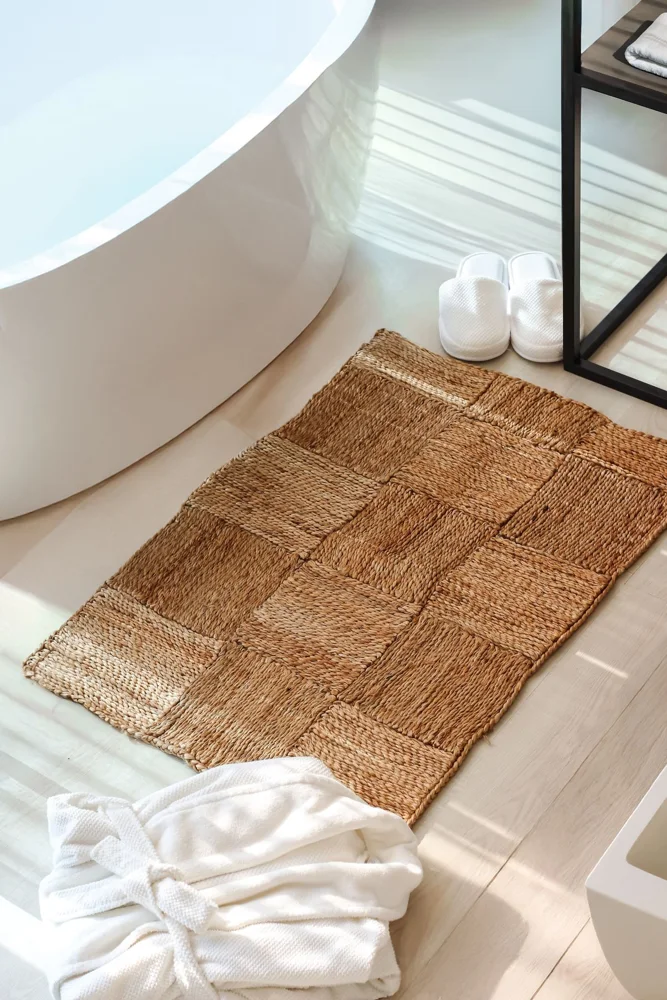
Pile, weave, and fiber descriptions can help explain the surface, but read the actual cleaning instructions. A small washable rug is different from a large rug that requires a particular professional method. Compare the equipment you own with the maker's care guidance, including any vacuum restrictions. Under heavy furniture, think about how often you can move pieces to clean the entire area. A delicate finish or long pile may be appealing but deserves a realistic comparison with the room's everyday use.
Check underlay and delivery details
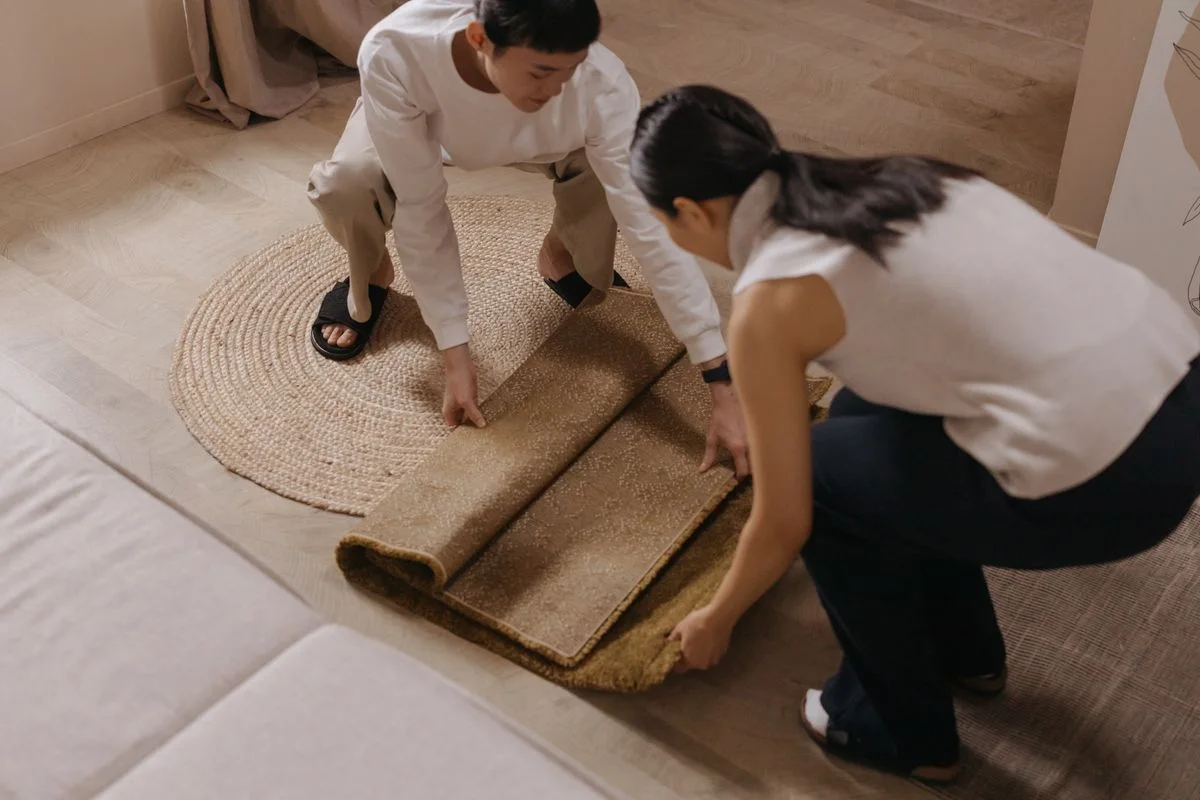
If the rug requires or benefits from an underlay according to its instructions, compare the appropriate product for your floor and intended arrangement. Do not assume all backing materials suit all floor finishes. Include the combined thickness when checking doors and transitions. Read whether the rug arrives folded or rolled and what the maker recommends after unpacking. Large sizes also need a delivery route and space to lay them out. A suitable room outline does not automatically mean the package will be easy to handle.
THE USEFUL TAKEAWAY
Choose a rug in relation to furniture and movement, not the empty floor alone. Mark its dimensions, test the everyday routes, and read the care requirements. A useful size with suitable backing and manageable cleaning can offer better value than a larger decorative rug that complicates the room.
Further information
Manufacturer and official references for the details discussed. Check instructions for the exact product you are considering.