Starter kits can simplify a first purchase by grouping the tools needed for an activity. They can also pad the piece count with duplicates, small accessories, or sizes you rarely use. The useful comparison is between complete ways to perform the tasks you have planned. Start with those tasks and identify the tools each requires. Then compare a kit with a deliberately short separate shopping list, rather than assuming the largest box is either the best value or the most capable choice.
Build a task list before a tool list
Describe what you expect to do during the next few months. Assembling flat-pack furniture, hanging a picture, and maintaining a bicycle do not call for identical tools. Consult the relevant product instructions to identify sizes and compatible equipment. A kit covering many possible hobbies may provide little help with your immediate task. Mark items already owned or available to borrow. This turns a broad starter label into a concrete comparison and keeps duplicate tools from being counted as new capability.
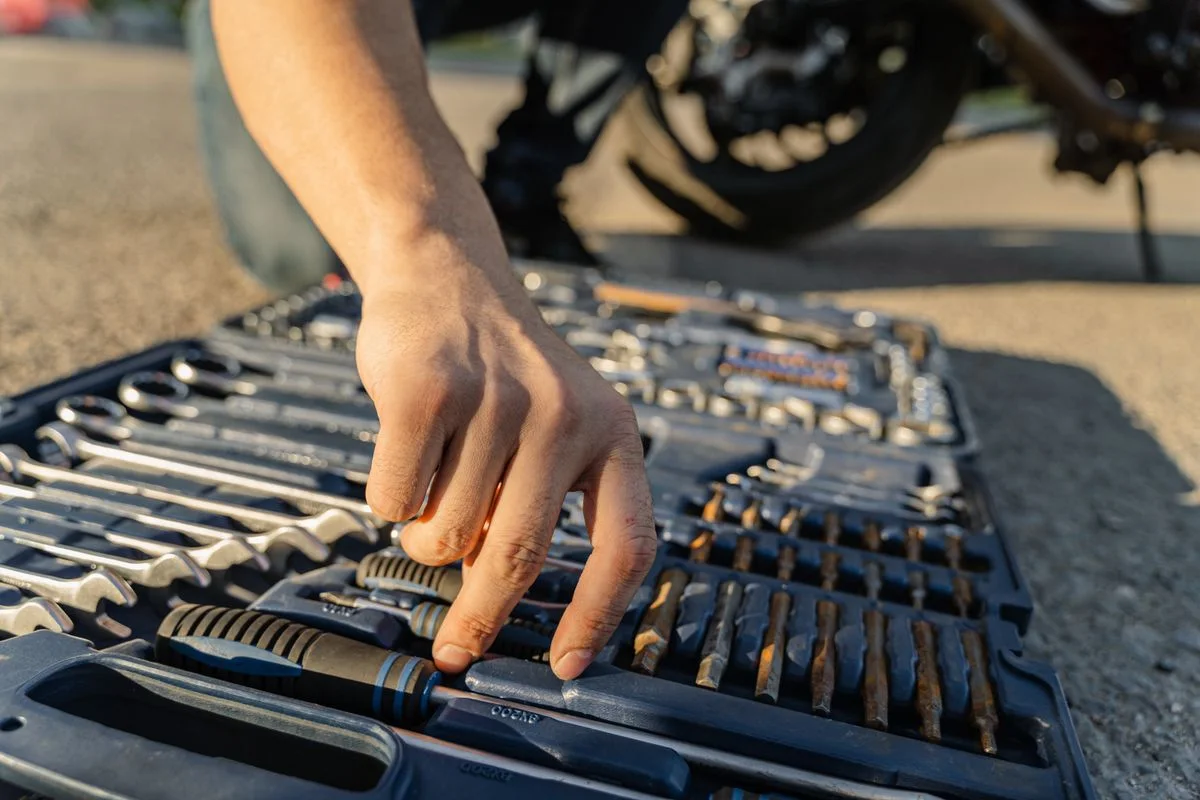
Translate the headline piece count
Look at the contents list and identify how pieces are counted. Bits, blades, sockets, and small connectors may each add one to the total. That is not inherently misleading, but it makes the number a poor summary of usefulness. Group the pieces by function and count the functions you need. Check the dimensions and materials of the main tools. A case with an enormous number printed on it can be less useful than a smaller collection whose sizes match your actual work.
Compare the kit with a complete separate purchase
Price the necessary tools and accessories as a workable set. Include batteries, chargers, consumables, or adapters if they are required and missing. Do the same for the kit, because starter does not guarantee that everything is included. Compare storage too: a fitted case can be convenient, although it may have no space for later additions. A simple toolbox you already own may remove the need for that case. Judge the final usable combination instead of adding up reference prices for items you would not buy individually.
Leave room to learn before expanding
For an unfamiliar activity, it can be sensible to buy a modest set and discover which tool receives frequent use. Check whether wear parts and compatible additions are available separately. Avoid a closed assortment that forces you to replace the whole collection when one key item needs attention. Read the manufacturer's intended uses and instructions, especially for powered equipment. A starter kit should support learning with appropriate equipment; extra pieces do not substitute for the knowledge needed to choose and operate the right tool.
THE USEFUL TAKEAWAY
A starter kit offers value when its useful contents cover real tasks at a sensible complete cost. Decode the piece count and compare against a short separate list. Begin with enough appropriate equipment to work and learn, then add tools when experience reveals a need rather than buying every possibility in advance.