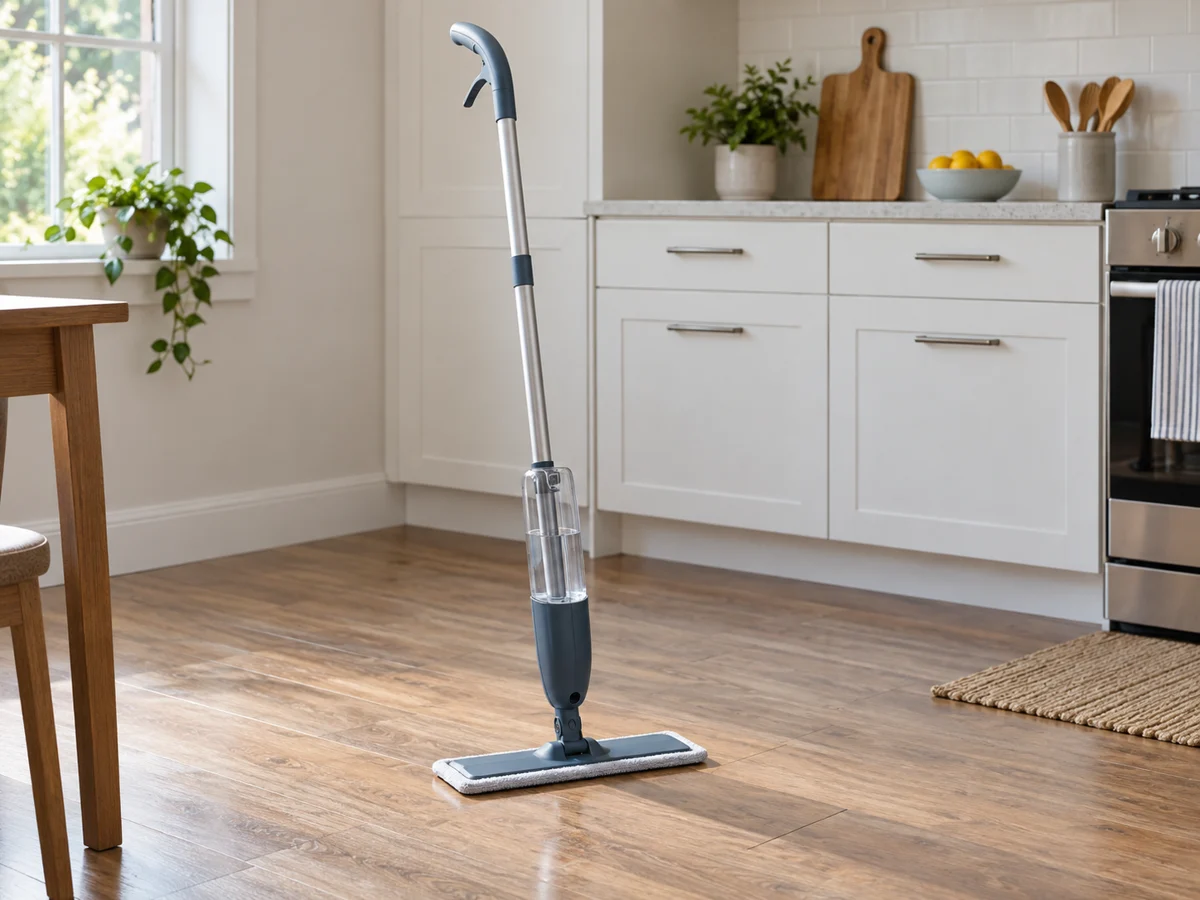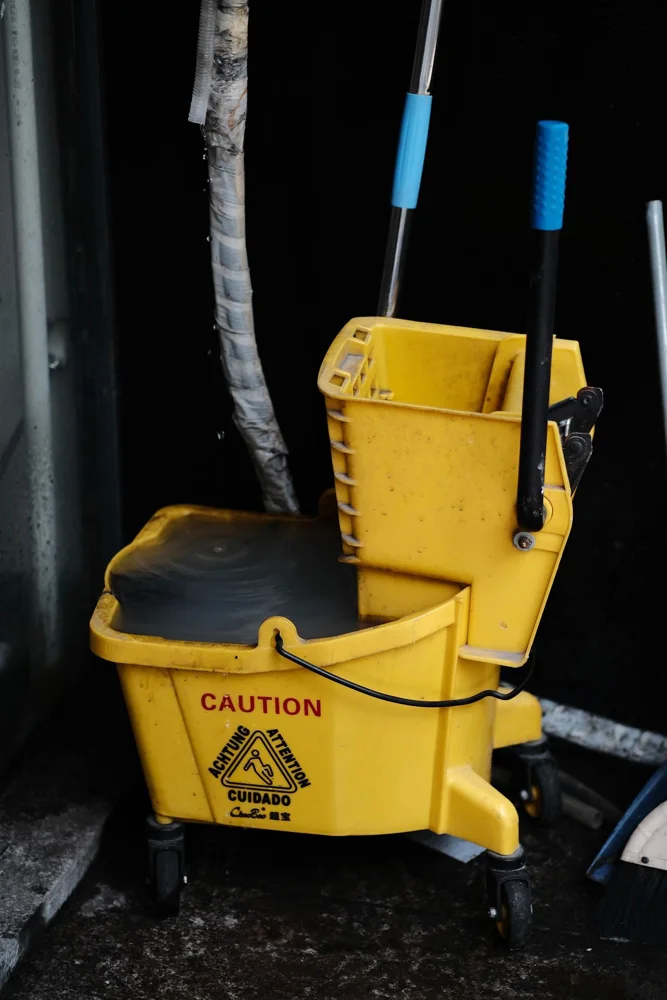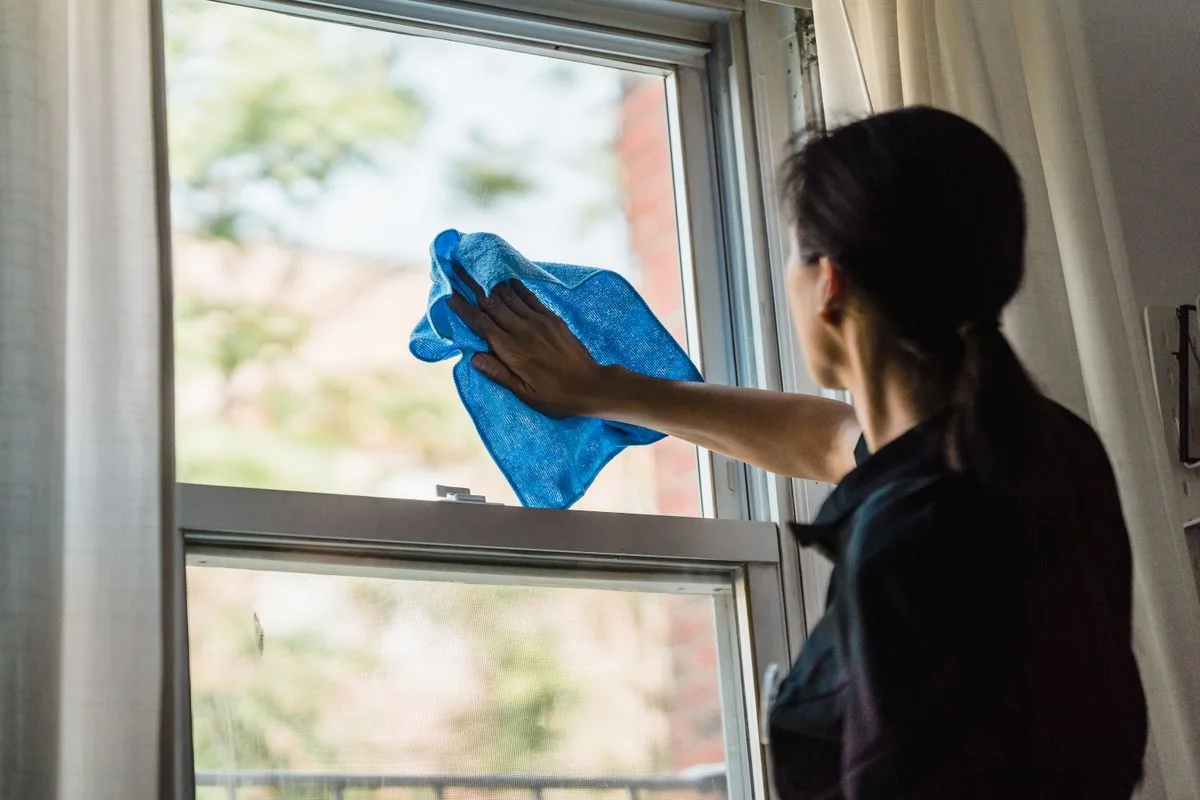
Window tools are worth choosing around the panes you can reach comfortably from a stable position. A larger kit does not make an awkward exterior window accessible, and a long pole can become difficult to control in a cramped room. Start with the interior glass and other panes that are straightforward to access. Measure them, check any coating or film care instructions and decide how you will manage drips. For inaccessible windows, arranging suitable professional help can be more sensible than collecting tools that do not solve the access problem.
List the reachable panes
Note which windows open, which sections are fixed and where furniture restricts movement. Include the depth of the sill, since it can keep a short handle away from the glass. Work from stable accessible positions and avoid treating extra pole length as a reason to stretch beyond comfortable reach. A compact tool may suit interior panes better than a large professional-style head. The aim is a kit that matches the work you can perform predictably.
Match the washer and squeegee widths
A washable sleeve or pad applies the permitted cleaning solution, while the squeegee clears it away. Check both widths against the narrowest pane. An oversized washer may wet surrounding frames unnecessarily, and a wide blade may not turn around a latch. If the head pivots, inspect whether you can lock it at a useful angle. Check replacement sleeves and blades before buying so worn components do not require replacing a complete handle system.
Read the glass and frame guidance
Coated glass, applied film and adjacent frame finishes can have specific cleaning restrictions. Choose products and tools that meet those instructions rather than copying a general household recipe. Keep hard edges and trapped grit away from the glass. E-Cloth's product guidance illustrates that polishing cloths also have their own care requirements. If using a cloth for final edges, choose one intended for the task and maintain it according to its label.
Prepare for drips and cleanup
Move nearby belongings, use a suitable cloth to catch permitted cleaning liquid at the sill and work in manageable sections. Check that the bucket or spray bottle fits the space without becoming an obstacle. A detachable head may store neatly, but wet sleeves still need room to dry. Buy a small useful set first and add an extension only for a defined reachable area. This avoids paying for overlapping handles and heads that complicate storage.
THE USEFUL TAKEAWAY
Choose window tools for controlled access and tidy handling. Suitable widths, replaceable working parts and a plan for drips make a compact kit useful. Keep difficult access separate from the shopping decision: more attachments do not remove the need for a stable working position or the right help with inaccessible panes.
Further information
Manufacturer and official references for the details discussed. Check instructions for the exact product you are considering.