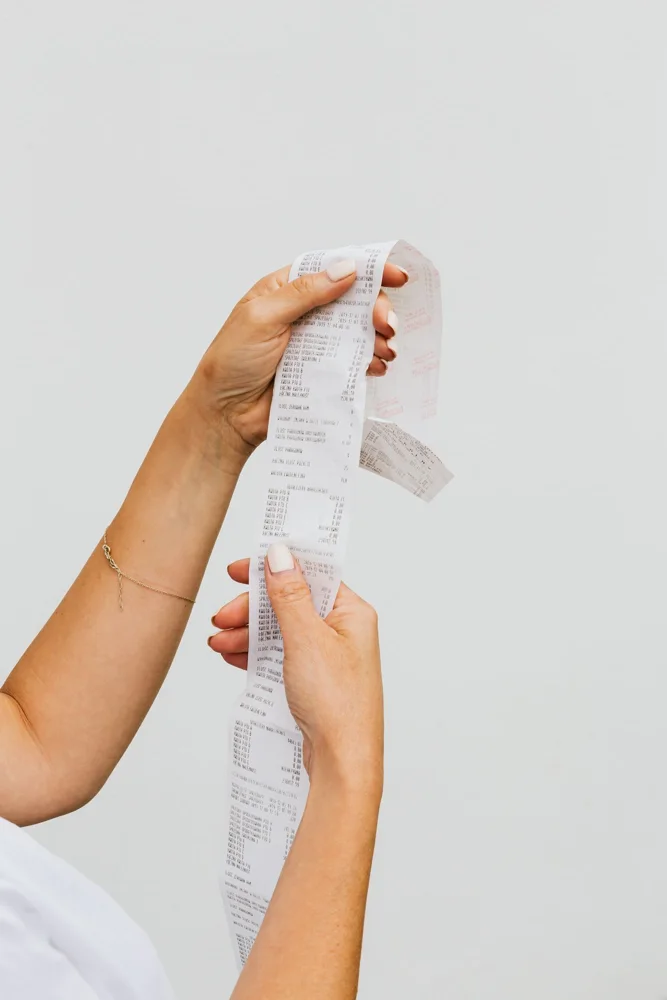
Return terms are part of the practical cost of ordering something you cannot fully assess in advance. Shoes, furniture, and electronics each create different inspection and shipping questions. A short headline such as easy returns does not explain deadlines, exclusions, packaging requirements, or who pays for transport. Read the seller's terms for the actual product and delivery region before ordering. The aim is to understand the process you may need, not to assume every retailer or jurisdiction provides the same arrangement.
Locate the terms for this seller and item
On a marketplace, the platform and the individual seller may have distinct roles. Confirm who sold the item and where the applicable policy is published. Check whether the selected category, condition, personalization, or clearance status changes the ordinary policy. The FTC's returns guidance recommends checking a business's policy and collecting purchase documents. Save the relevant page and the order details, especially when a product page advertises an exception or special arrangement. A general help page may not resolve a product-specific condition.
Turn the deadline into a timeline
Read when the stated period begins and what must happen before it ends. Requesting authorization, dispatching a parcel, and having it arrive are different events. Check how weekends, delivery delays, or an unavailable contact channel affect the practical time available, using the seller's published process. Put a reminder in your own calendar if the purchase needs a careful fit or compatibility check. Opening the box promptly is easier than trying to investigate a problem after the relevant period has nearly passed.
Understand the transport and condition requirements
Find out whether the return uses a supplied label, a particular carrier, or a drop-off point. For bulky goods, confirm who arranges collection and what it costs. Check requirements about original packaging, tags, accessories, and permitted inspection or use. A large box can be difficult to replace once discarded. If you need to try an item indoors first, read the conditions that apply before doing so. Do not rely on another shopper's return experience as a substitute for the current terms.
Keep the evidence simple and organized
Retain the receipt, order number, listing, messages, and any photographs that document a discrepancy. Describe the issue clearly and follow the published contact route. Record dates and reference numbers so a follow-up does not require starting again. Check how the seller says refunds are processed and whether fees or other deductions can apply. Where a policy or right is unclear, consult the relevant seller or local consumer authority for your circumstances. Shopping guidance cannot supply one universal answer across regions and purchases.
THE USEFUL TAKEAWAY
Read return terms as a sequence of actions, deadlines, and costs. Confirm the policy for the actual seller and item, retain the evidence, and plan an early inspection. Clear information before ordering makes it easier to compare offers whose advertised prices look similar but whose practical return arrangements differ.
Further information
Manufacturer and official references for the details discussed. Check instructions for the exact product you are considering.