An electric kettle can serve a small morning mug or a succession of teapots, but those are different demands. Maximum capacity is easy to compare; minimum fill, pouring balance, lid access, and cleaning are just as relevant for daily tea. Think about the amount you boil most often and where the kettle will stand. A model with many temperature options may be useful for your routine, yet a simpler kettle can be the better fit when those settings would rarely be used.
Check the minimum as well as the maximum
Find the manufacturer's permitted fill range and compare the lower mark with the amount you normally need. A large kettle may require more water than a single small cup, while a compact one may need repeated filling for visitors. Follow the specified range rather than guessing from the level window. Breville's manuals illustrate that minimum and maximum amounts are model-specific. The relevant question is whether the range suits your normal use, not simply which kettle holds the most.
Look at filling and pouring motions
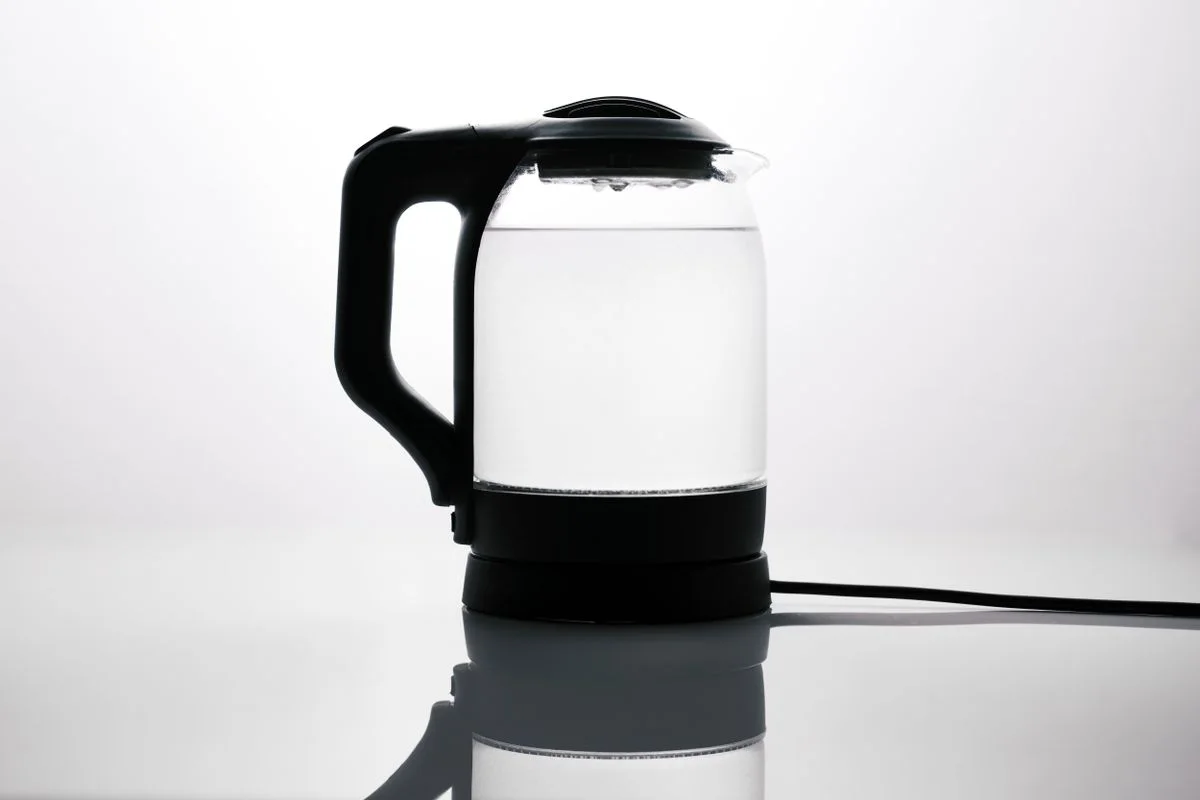
A lid that opens wide can make filling straightforward, but it also needs clearance above the kettle. Check the distance beneath wall cabinets and the angle needed to remove the vessel from its base. The handle should feel manageable at the quantity you normally boil. Consider whether you prefer a button-operated lid or a removable one, and inspect how the spout is cleaned. Product photographs can clarify these details when a shop demonstration is unavailable.
Pay for settings you will use
Variable temperature and keep-warm functions introduce controls, instructions, and sometimes a larger base. Check whether your tea preparation actually calls for the available settings and whether they are easy to read. A memory function or audible signal may be convenient, but consider the household routine and where the kettle is used. Do not infer temperature performance from a long mode list alone. Look for clear model documentation and compare the physical controls with the simplicity you prefer each morning.
Include descaling and parts
Read the maker's cleaning and descaling method, including any specified products or restrictions. A removable filter at the spout may improve access if it is designed for that purpose, but check its handling and replacement availability. The base and electrical components need their own care precautions, so follow the manual rather than treating the kettle as an ordinary jug. Check cord length against a suitable socket location and avoid arranging the counter around an inconvenient cable path.
THE USEFUL TAKEAWAY
Choose a kettle for the quantity you boil most often and the motion of filling and pouring it. Minimum fill, lid clearance, and manageable controls can matter more than extra capacity. Add temperature settings when they support a real tea routine and include the manufacturer's descaling requirements in the comparison.
Further information
Manufacturer and official references for the details discussed. Check instructions for the exact product you are considering.