Food containers are often discarded because a lid is missing or no longer fits well, even when the base remains useful. Checking replacement options before buying a set can reduce that frustration. Availability varies by brand, product line, shape, and size, so a familiar name is not enough. Compare the portions you store, the cupboard space the empty containers need, and the exact lid references. A coherent small collection can be easier to maintain than several attractive but incompatible sets.
Verify parts, not brand reputation
Look for a current official replacement-lid listing that names the container or model. Pyrex lists lids with matching model references, while Rubbermaid's consumer support currently says replacement food-storage parts are unavailable. Those examples show why the check must be specific. Save the reference for any container you buy, and confirm that the replacement is sold where you live. A vaguely compatible lid from an unrelated listing is a different proposition from a documented part for the original container.
Choose sizes by stored meals
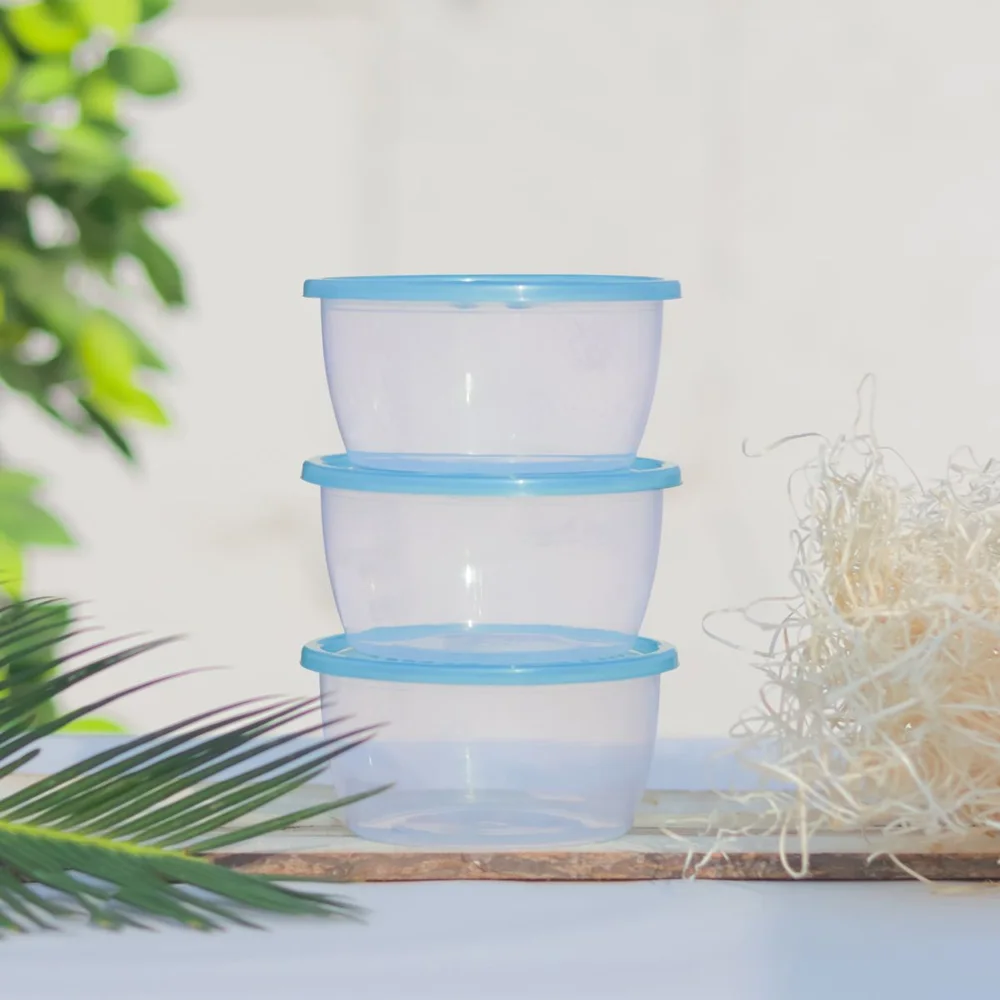
Measure a typical leftover portion or packed meal, leaving the space the product instructions require. A very large set may include many tiny containers that do not fit your routine. Repeated useful sizes can be easier to organize, but confirm whether they share lids rather than assuming. Rectangular and round shapes use shelf space differently. Compare their outside dimensions, including clips and lids, with the fridge shelf and work bag where they will actually go.
Separate lid and base permissions
The base and lid may have different instructions for heating, freezing, and washing. Read both, including any venting or removal requirements, before deciding that the whole container serves a particular job. Glass, plastic, and silicone components should be judged by their exact product guidance. A transport closure and a loose storage cover are also different designs. If you need to carry liquids, look for an explicit intended use rather than inferring it from the presence of a gasket.
Organize for fewer lost parts
Check whether empty bases nest and whether lids can be stored together in a shallow divider. A large assortment can save purchase money but consume time searching for matches. Mark the model reference somewhere appropriate if the original label will be lost. Buy replacements when needed rather than accumulating a second unused lid collection. If a line changes, assess whether existing containers can continue doing a simpler suitable job before replacing the entire cupboard for visual uniformity.
THE USEFUL TAKEAWAY
Replaceable lids can add practical value, but only when the correct parts are genuinely available. Build around portions and shapes you use, keep model references, and check both components' instructions. A smaller compatible collection is often easier to maintain than a large set with many unrelated lids.
Further information
Manufacturer and official references for the details discussed. Check instructions for the exact product you are considering.