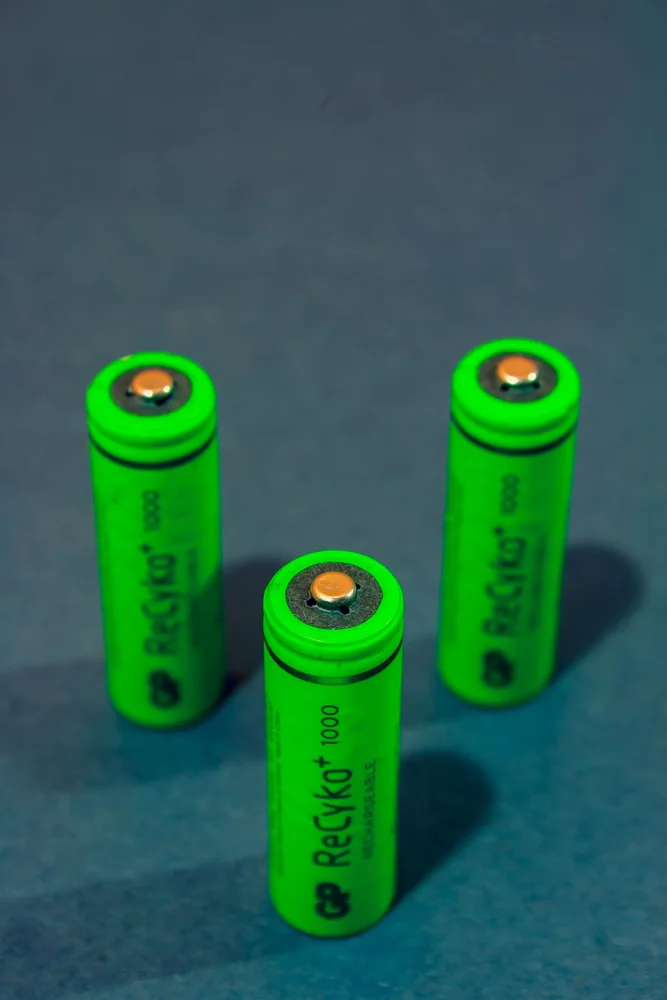
Rechargeable batteries can simplify purchases for devices that use compatible replaceable cells, but the charger and battery chemistry must be matched. A familiar AA or AAA shape does not establish that every cell can be recharged in the same charger. Begin with the device's battery requirements, then read the charger instructions and the exact battery label. A small set with a clear rotation can be more useful than a large mixed bundle whose capacities, chemistries and charging rules are difficult to keep straight.
Check the device requirements first
Read the device manual for permitted battery types and any restrictions on rechargeable cells. Do not assume that matching physical size is enough. Note whether the device uses one cell or a set and follow its guidance on replacement as a group. Keep different types and states of charge organized rather than mixing loose cells in a drawer. A rechargeable system makes sense when it is explicitly suitable for the devices you intend to power and fits the frequency of use.
Match charger and chemistry
Energizer's charger guidance distinguishes NiMH charging from batteries that are not specified for the charger. Use the actual charger's supported chemistry, sizes and cell arrangement. A charger advertised for AA and AAA cells is not permission to charge ordinary non-rechargeable batteries. Read how many cells can be charged together and whether slots operate independently or require particular combinations. If you choose another brand of cell, verify support in the charger instructions rather than treating brand similarity or capacity alone as the deciding factor.
Choose quantity around a rotation
Count the batteries needed for one set of devices and decide whether a spare set would be useful while charging. Avoid buying many cells before confirming the system works with your equipment. Compare charger indicators and the instructions for identifying completed charging or an error. A clear routine helps prevent repeatedly inserting already charged cells or searching for one missing battery from a required set. Label or group sets in a way consistent with their care and handling instructions.
Include storage and eventual replacement
Read battery and charger storage, inspection and disposal guidance. Keep terminals protected in a suitable holder rather than carrying loose cells with metal objects. Check the charger plug and physical size against the place where it will be used. A faster stated charge time may apply to particular batteries and conditions, so compare those details before paying extra. Record the battery and charger models together, making it easier to buy a suitable replacement later without introducing an incompatible type into the household set.
THE USEFUL TAKEAWAY
Rechargeable battery value comes from a compatible, organized system. Match the device, cell chemistry and charger instructions before comparing capacity or charge-time claims. A modest set with a clear rotation and protected storage can reduce purchasing friction more effectively than a large assortment that is easy to mix up.
Further information
Manufacturer and official references for the details discussed. Check instructions for the exact product you are considering.