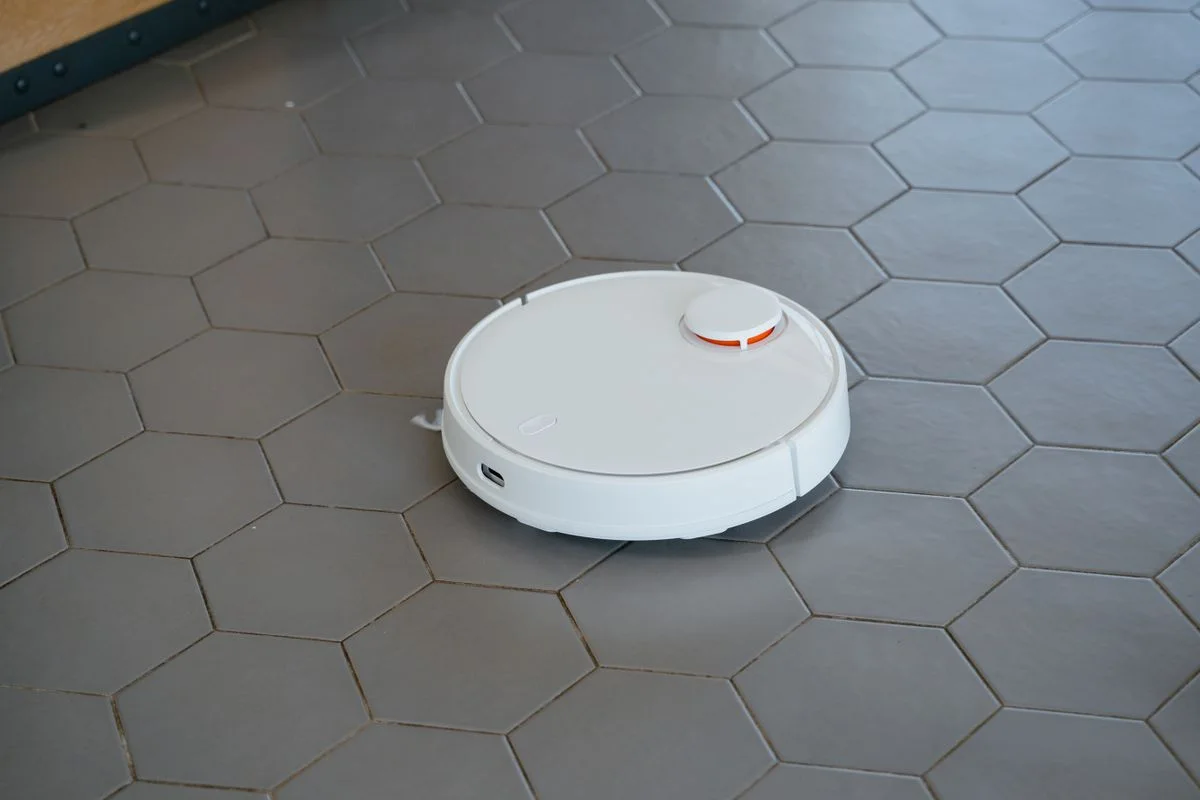
A robot vacuum can take over a repetitive task, but it still needs a workable floor plan. In a room with charging leads, low stools, pet bowls and toys, the most useful feature may be how easily you can prepare the space. Start by observing what collects on the floor during a normal week. The purchase makes more sense when you can create a repeatable route without first spending longer clearing obstacles than it would take to vacuum the room yourself.
Make a realistic preparation list
iRobot advises clearing cords, small toys and loose objects before a cleaning cycle. Treat that as a planning requirement rather than an occasional exception. Route permanent cables away from open floor space, choose a place for lightweight toys and decide what happens to movable mats. If the household cannot maintain that routine, consider using the robot in a smaller controlled area instead of expecting it to manage the entire home unattended.
Measure clearance in several places
Check the robot's dimensions against the lowest furniture gaps, not just the largest open room. Include side tables with crossbars and furniture that slopes underneath. A machine that enters a narrow gap may still struggle to turn or exit around objects. Use the maker's guidance for thresholds, rugs and excluded surfaces, and do not infer climbing ability from body height alone. Map the areas that will still require another cleaning tool.
Give the dock a permanent home
Read installation clearances for the specific base. A charging dock and a self-emptying station can have very different space requirements, including room above for opening a lid. Check the power cable route and whether the location remains accessible when a door opens. Decide where spare bags, brushes and mop pads will live. A station squeezed behind furniture may look discreet but make the recurring maintenance unnecessarily awkward.
Consider support beyond navigation
Compare the cost and replacement method for the parts that touch the floor. Review app requirements, supported phones and available controls before checkout. Where maps or cloud services are involved, read the actual privacy and account information. Keep-out areas can help on supported models, but confirm which model includes them. Set a sensible expectation: the robot may handle a defined daily route while you retain responsibility for corners, stairs and occasional deeper cleaning.
THE USEFUL TAKEAWAY
The best robot vacuum setup starts with a floor you can keep navigable. Buy around an achievable route, an accessible dock and a maintenance routine you can repeat. Obstacle features are useful additions, but they do not remove the need to prepare the home and understand the machine's limits.
Further information
Manufacturer and official references for the details discussed. Check instructions for the exact product you are considering.